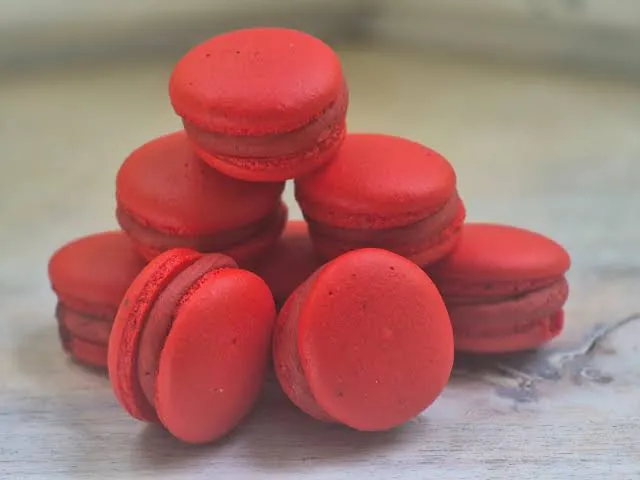
Red is a demanding color to formulate around naturally, honestly more demanding than most people assume. Beetroot has long dominated this space, but it carries earthy notes and pH sensitivity that don’t suit every product. Natural red food color sourced from radish has emerged as a genuinely useful alternative, offering a cleaner flavor profile and better stability in certain applications like beverages and confectionery where beet’s earthiness would be an obvious problem for finished taste.
Why Radish Pigment Works Where Beet Fails
Beetroot’s geosmin compound, the earthy, soil-like note, can linger even after extraction, showing up faintly in delicate applications like clear beverages or light dairy products. Radish-based red pigment avoids much of that issue, offering a cleaner vermilion-to-red shade without the same flavor carryover. That flavor neutrality opens doors in product categories where beet color simply hasn’t been a viable option, despite its popularity elsewhere in the industry.
Understanding Red Radish Powder Extraction
Getting consistent shade from red radish powder depends heavily on extraction method and the specific radish variety used as raw material. Anthocyanin content varies between cultivars, and harvest timing shifts pigment concentration noticeably season to season. Manufacturers who standardize sourcing from consistent growing regions, rather than opportunistic spot buying, deliver more predictable shade results across successive orders, which matters enormously to formulators trying to hit an exact target color every single time.
pH Sensitivity and Application Fit
Anthocyanin pigments, including those from radish, shift color depending on acidity, leaning pink in acidic conditions and drifting toward blue or purple as pH rises. Formulators need to test color behavior within their exact product’s pH range before committing to a target concentration. A beverage at pH 3 will show a noticeably different shade than a bakery item closer to neutral, even using the identical pigment source and starting concentration.
Heat Stability During Processing
Pasteurization and baking both expose pigment to sustained heat, and not every red source survives that step gracefully. Radish-derived anthocyanins hold up reasonably well under moderate heat compared to some other natural reds, though extended high-temperature processing still causes gradual fading. Running a heat stability trial matched to your actual process time and temperature, rather than relying on generic supplier claims, gives a far more accurate picture of real-world performance.
Comparing Cost Against Other Red Sources
Radish pigment sits in a competitive middle ground price-wise, generally more affordable than some specialty reds while offering better flavor neutrality than beet in sensitive applications. Calculating true cost means factoring in usage rate too, since a more concentrated extract might cost more per kilogram but require less volume to hit target shade, ultimately working out cheaper on a per finished unit basis once the math gets done properly.
Applications Where Radish Red Excels
Clear beverages, light colored confectionery, and delicate bakery glazes all benefit from radish red’s clean flavor profile. Products where even subtle earthy notes would be noticeable to a discerning consumer palate are exactly where this pigment source earns its keep. Brands reformulating away from synthetic red dyes often test radish alongside beet and settle on radish specifically for these more flavor-sensitive product categories where cleanliness of taste outweighs a slightly higher raw cost.
Conclusion
Red is never a one-size-fits-all color challenge, and radish-based pigment fills a real gap that beetroot alone can’t cover, particularly where flavor purity matters. Testing across pH, heat, and application type remains essential before locking in a final formulation. Brands exploring cleaner red options for sensitive products will find solid technical grounding and sourcing support at foodrgb.com, built specifically around this kind of formulation nuance.