A garage floor has to handle more than parked vehicles. Dirt, moisture, tire traffic, dropped tools, oil, and regular cleaning can all affect the surface over time. When upgrading a garage, homeowners often compare different coating systems based on durability, appearance, maintenance, and installation requirements. Metallic epoxy flooring and traditional epoxy flooring can both create finished surfaces, but they offer different visual results and may suit different preferences.
Understanding these differences can make it easier to choose a flooring system that fits the garage.
What Is Metallic Epoxy Flooring?
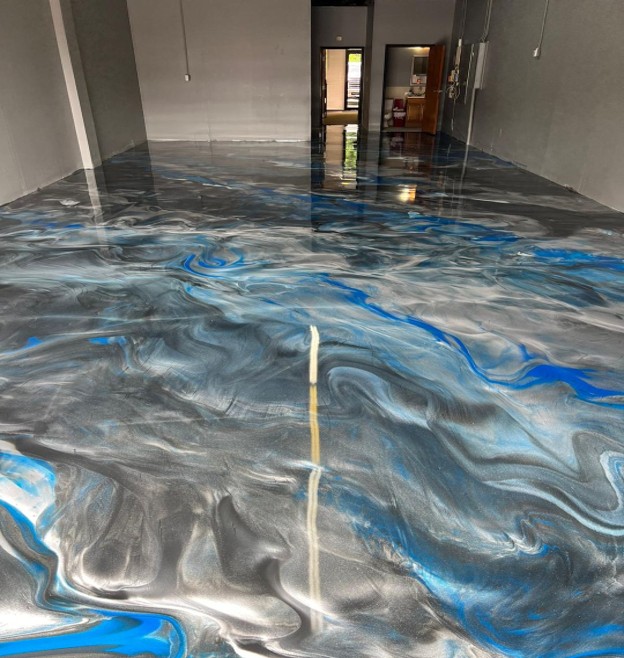
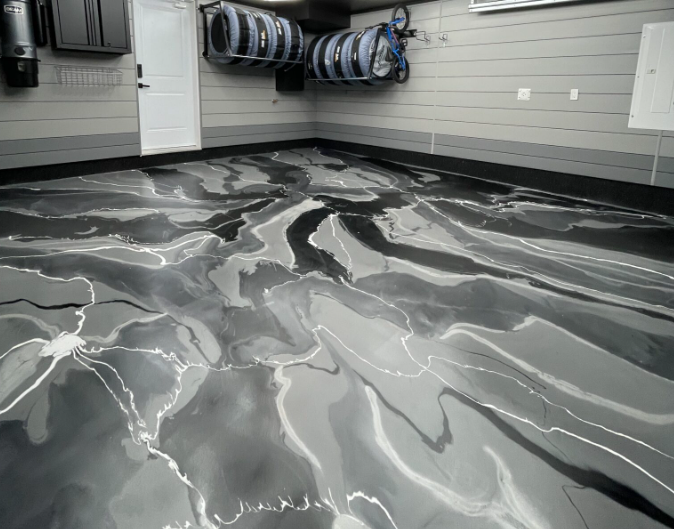
Metallic epoxy flooring uses decorative metallic pigments within an epoxy coating to create patterns and movement across the surface. The finished appearance can resemble flowing stone, marble, or other dimensional effects depending on the pigments and application technique.
Because the patterns are created during installation, every floor can have a somewhat different appearance. This makes metallic finishes attractive to homeowners who want their garage to look more customized rather than simply functional.
However, the decorative effect should not be the only consideration. The condition of the concrete, preparation process, coating quality, and installation technique all influence the final result.
How Traditional Epoxy Flooring Differs
Traditional epoxy flooring generally provides a more uniform appearance. It can be installed in a range of colours and may also include decorative flakes or other surface effects, depending on the selected system.
This simpler appearance can work well for homeowners who want a clean and practical garage without a highly decorative finish. It can also make certain maintenance or future touch-ups easier to manage, depending on the product and installation.
The choice between a decorative and traditional finish often comes down to the desired appearance as well as the garage’s everyday requirements.
Compare Durability and Daily Use
Both systems rely heavily on proper concrete preparation. Epoxy coatings need a suitable substrate to bond correctly, so cracks, grease, dust, old coatings, and other surface problems should be addressed before installation.
Garage use should also be considered. A space used mainly for vehicle parking may experience different demands from a garage that functions as a workshop or storage area.
Heavy tools, equipment, vehicle traffic, and frequent movement can place additional stress on the floor. Homeowners should discuss these conditions before selecting a coating system.
Think About Cleaning and Maintenance
A seamless coated floor can make routine cleaning easier because there are fewer joints and gaps where dirt can collect. Sweeping and mopping can generally be more straightforward than maintaining an unfinished concrete surface.
However, maintenance still depends on the specific coating system and the conditions inside the garage. Oil, chemicals, abrasive dirt, and sharp objects can affect flooring when exposure is repeated.
Cleaning products should be compatible with the installed system. Following care recommendations can help preserve both the appearance and performance of the floor.
Which Appearance Works Better?
Metallic finishes are useful when visual design is an important part of the garage upgrade. Their patterns can make the space feel more like a finished interior rather than a basic utility area.
Traditional epoxy may be a better fit for homeowners who prefer a simpler and more consistent appearance. Decorative flakes can also add visual interest without creating the flowing effects associated with metallic finishes.
Lighting should be considered as well. Glossy surfaces can reflect light differently so the final appearance may change depending on the garage’s natural and artificial lighting.
Consider Installation and Cost
Neither flooring option should be judged only by its material price. Concrete preparation, repairs, labour, coating layers, curing time, and finishing requirements can all influence the total project cost.
Metallic systems may require more specialized application techniques because the decorative pattern is created during installation. Traditional systems may offer a simpler visual design, although installation quality remains equally important.
Getting the concrete evaluated before installation can help identify preparation requirements and prevent unexpected work later.
Conclusion
Metallic epoxy flooring and traditional epoxy flooring can both provide a finished surface for a garage, but they offer different approaches to appearance and customization. Metallic systems are suited to homeowners who want distinctive patterns and visual depth, while traditional epoxy can provide a cleaner and more consistent look. In either case, concrete condition, garage use, maintenance, preparation, and installation quality should guide the decision. Comparing these factors before starting a garage upgrade can help homeowners choose a flooring system that matches both practical needs and personal design preferences.