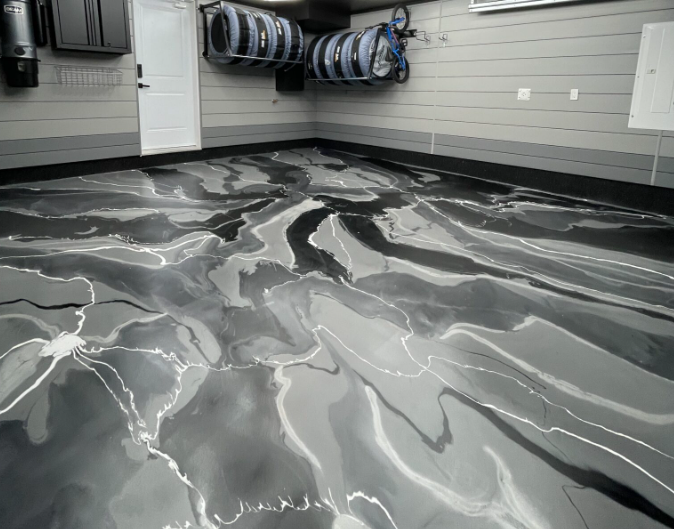
Choosing a flooring system should begin with the way a space works, not with the assumption that the toughest specification is always the smartest choice. Facilities considering industrial epoxy flooring may need resistance to rolling loads, chemicals, abrasion, or continuous traffic, while lighter-use areas can have very different priorities. A well-designed floor matches performance to the environment instead of adding unnecessary layers or cost.
Over-specifying can be wasteful, but under-specifying can create maintenance problems and early wear. The practical goal is to understand traffic, exposure, cleaning, appearance, and downtime before deciding how the system should be built.
Define the Workload Before the Product
Start by listing what reaches the floor during a normal week. Forklifts, pallet jacks, machinery, oils, solvents, cleaning chemicals, and repeated impact can create demands that ordinary foot traffic never produces.
The same principle applies to residential epoxy flooring, although the workload is usually different. Homes may need to handle pets, furniture, laundry, garage traffic, spills, or everyday cleaning without requiring the same specification as a production floor.
Separate Traffic From Exposure
Heavy traffic and chemical exposure are not the same problem. A warehouse aisle may experience intense rolling loads while remaining relatively dry, whereas a smaller service room may see fewer people but more frequent contact with oils or cleaners.
Treating every demanding space identically can miss these differences. The base coat, topcoat, thickness, and texture should reflect the dominant risks rather than a broad label such as “commercial” or “industrial.”
This approach also makes maintenance expectations clearer because each area is designed around what actually happens there.
Pay Attention to Surface Preparation
Performance still begins with the concrete. Old coatings, weak surface material, oil contamination, cracks, adhesive residue, and moisture can affect adhesion regardless of how advanced the resin system is.
Mechanical preparation is commonly used to create the required surface profile. Repairs should then be completed before primer or coating layers are installed.
A thicker system cannot compensate for poor preparation. Spending more on resin while reducing preparation can leave the most important part of the installation under-addressed.
Use Texture Where It Has a Purpose
Added texture can improve traction in areas exposed to water, grease, or frequent cleaning. However, a very aggressive finish may collect more dirt and take longer to maintain.
Dry storage areas, residential interiors, and wet work zones may therefore need different levels of texture even when they use similar resin chemistry.
The right balance should account for footwear, cleaning equipment, contamination, and whether people regularly move carts or machinery across the surface.
Let Appearance Follow the Environment
Performance-focused floors do not have to look purely utilitarian. Solid colors, flakes, quartz, and other finishes can create a cleaner and more intentional environment while supporting practical requirements.
Residential spaces may place greater emphasis on color coordination and decorative variation. Industrial areas may use color to define walkways, work zones, or safety-related areas.
The design should support the room without making cleaning or repairs more complicated than necessary.
Plan Downtime as Part of the Specification
A system that performs well but keeps a critical area closed longer than the operation can tolerate may not be the most practical choice.
Preparation, repairs, coating, curing, and return-to-service times should be considered before work begins. Larger facilities may benefit from phased installation so one area remains operational while another is completed.
Residential projects also need scheduling. Furniture, appliances, or vehicles may require temporary locations until the floor is ready for normal use.
Think About Future Changes
A room’s workload can change. A light storage area may later receive rolling equipment, while a garage may become a workshop or home gym.
Property owners should consider likely future uses before selecting the minimum acceptable system. A small amount of extra performance may be sensible when a change is foreseeable, but specifying for an unlikely extreme condition can add unnecessary cost.
Future repairs and recoating should also be discussed so the floor can be maintained without rebuilding the entire system.
Judge Value Over the Life of the Floor
Initial installation price is only one part of flooring cost. Cleaning, repair frequency, downtime, and replacement all affect long-term value.
A correctly matched system can avoid paying for performance that will never be used while still providing enough protection for the real workload.
Conclusion
The best epoxy floor is not automatically the thickest, hardest, or most expensive option. It is the system whose preparation, layers, texture, and maintenance requirements match the space accurately.
By separating traffic, chemical exposure, cleaning, appearance, downtime, and future use, property owners can right-size the specification instead of relying on broad categories. That approach creates a more practical balance between performance and cost while giving each floor what it actually needs.