Global currency markets move trillions of dollars around the clock every single day. Understanding how forex trading works starts with grasping how national currencies trade in connected pairs like EUR/USD or GBP/JPY. Buyers swap one nation’s currency for another, hoping the relative values shift favorably over time. Central banks, multinational corporations, retail investors, and neighbouring banks are all driving the faster payment changes. Economic reviews and international information activities push foreign expenditure up or down quickly. Getting started requires learning simple market mechanisms, simple pricing, and random guidelines before putting real money on the line.
Understanding Currency Pairs and Quotes
Currencies always trade in pairs because you swap one money type for another simultaneously. The first listed ticker represents the base currency, while the second acts as the quote side. When exchange rates shift, the price shows how much quote money buys one single base unit. Small price movements are measured in pips, which usually sit at the fourth decimal spot. Spread costs refer to the tiny price gap between the buying price and selling price on screen. Watching how these numerical pairs interact helps new traders read basic market movements without confusion.
Leverage and Margin Mechanics Explained
Leverage allows traders to open larger market positions while using smaller upfront cash deposits. Brokers require a margin balance inside your account to keep active market trades running smoothly. While leverage multiplies potential trade returns, it also increases loss sizes if trades move wrong. A sudden bad market shift can trigger a margin call, forcing trades to close early automatically. Setting realistic position sizes keeps your trading account safe from fast market drops. Smart traders treat leveraged capital carefully to preserve cash balances for long-term market participation.
Key Factors Driving Global Rates
National interest rates set by major central banks drive long-term currency trends around the globe. Higher interest rates typically attract foreign capital, making the local currency gain value over time. Inflation data, monthly job growth reports, and trade balances also trigger sharp price movements daily. Political stability and national economic health influence how international investors view individual currencies overall. Geopolitical tensions or unexpected natural disasters can cause sudden price spikes across related trading pairs. Monitoring global news headlines gives useful clues about upcoming directional shifts in global exchange rates.
Executing Trades on Digital Platforms
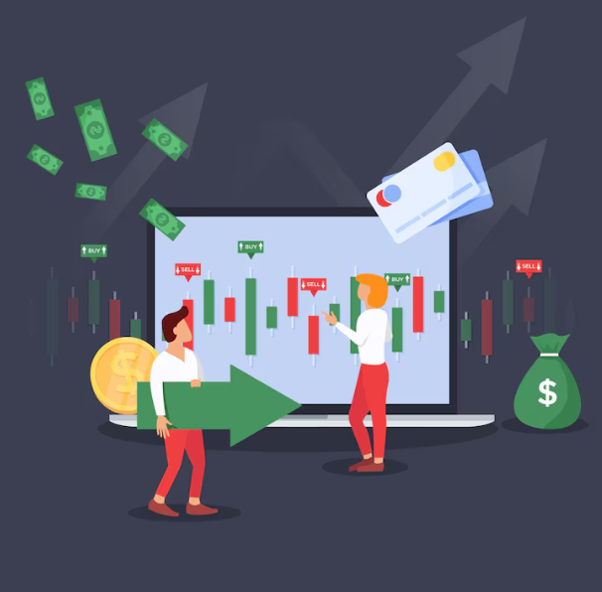
Modern online forex trading relies on fast web software that processes orders within mere milliseconds. Platforms offer instant market execution orders along with pending limit orders to catch specific price levels. Charting screens show historical price patterns using simple line graphs, bar charts, or Japanese candlesticks. Traders analyse past price actions alongside technical indicators to spot potential buy or sell opportunities daily. Order screens clearly display lot sizes, expected spread costs, and current open trade values continuously. Accessible software tools allow everyday individuals to participate in international financial markets straight from home.
Managing Risk with Stop Losses
Protecting cash reserves remains the single most vital rule for long-term trading survival. Automatic stop loss orders instantly exit open positions when market prices hit predefined loss limits. Take profit targets allow traders to lock in gains automatically when price goals get reached. Spreading market capital across different currency pairs helps minimize exposure to single news events. Never risk more than a small fixed percentage of total funds on one position. Disciplined risk management protocols ensure small trade losses do not wipe out overall portfolio values completely.
Choosing a Safe Forex Broker
Selecting a fully regulated brokerage company provides necessary protection for deposited trading funds daily. Regulated firms keep client cash in segregated bank accounts separate from general corporate operational funds. Transparent platforms display clear commission costs, tight spread quotes, and smooth withdrawal processing procedures online. Responsive customer service teams help resolve platform technical issues, trade questions, or account verification steps fast. Checking regulatory credentials with local financial authorities prevents falling for fraudulent brokerage operations online. A reliable broker forms the essential foundation for building a successful financial trading habit.
Conclusion
Mastering foreign exchange markets takes consistent study, patient practice, and strict mental risk discipline. Learning core mechanics like currency pairs, leverage limits, and order types protects your initial trading capital. Utilizing reliable platforms like btcdana.com gives traders accessible execution tools and real-time price charts for daily market analysis. Focus on managing trade risk carefully, using stop-loss safety orders, and following national economic developments. Developing a clear trading plan built on steady learning helps beginners navigate global currency markets with confidence over time.